Baby Corn: Nutrition, 20 Benefits, Side Effects & How to Eat It
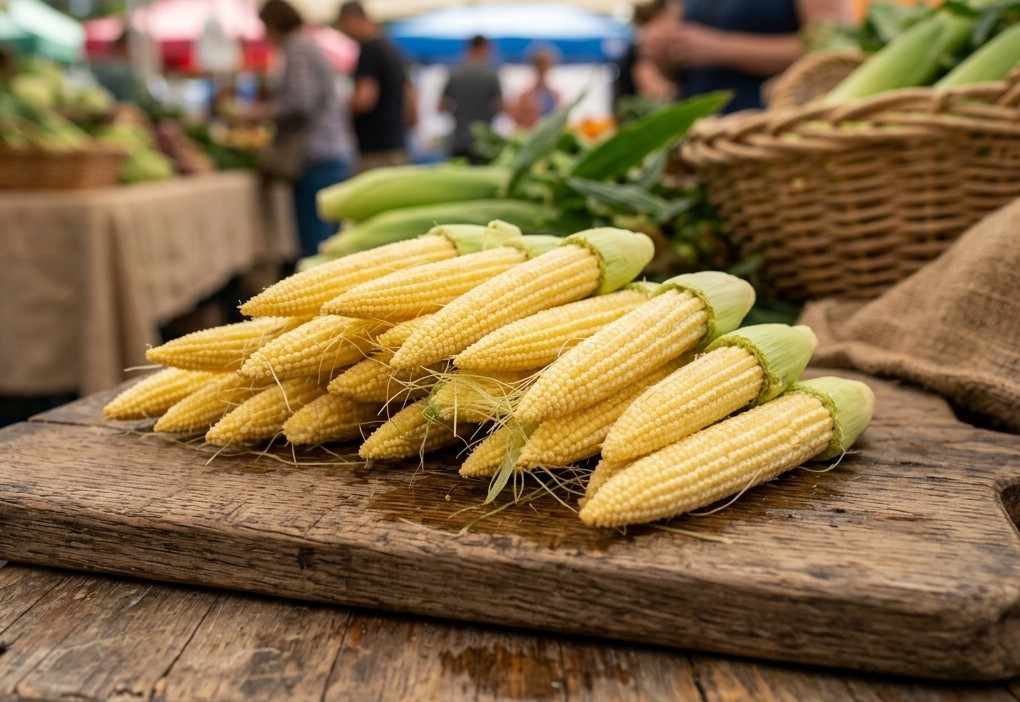
Baby Corn

Baby corn, also known as young corn or cornlettes, is a small, tender version of corn that is harvested before the kernels fully develop. Unlike mature corn, the entire baby corn cob is soft enough to eat, including the cob itself. Its mild sweetness, crunchy texture, and versatility make it a popular ingredient in stir-fries, … Read more
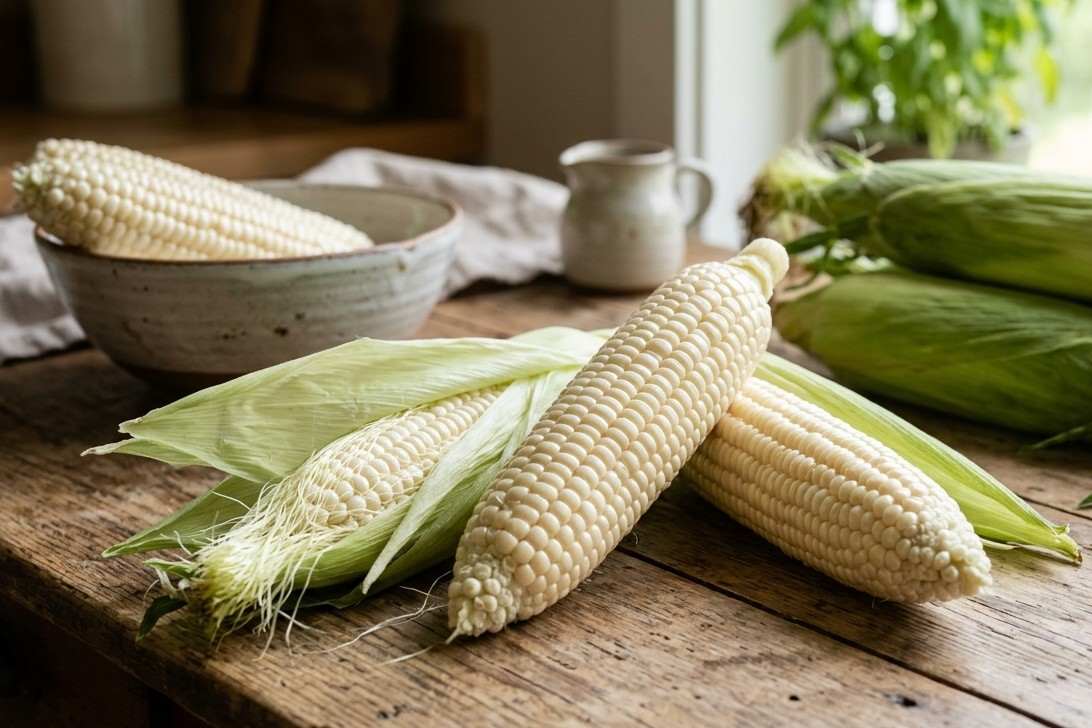
White Corn: Nutrition, 20 Benefits, Side Effects & How to Eat It

White Corn

White corn is a popular variety of corn known for its pale or creamy-colored kernels, naturally sweet flavor, and soft texture when cooked. It is widely eaten fresh, boiled, grilled, steamed, roasted, or added to soups, salads, curries, tortillas, porridges, and other dishes. Like yellow corn, white corn provides carbohydrates, fiber, plant protein, vitamins, and … Read more

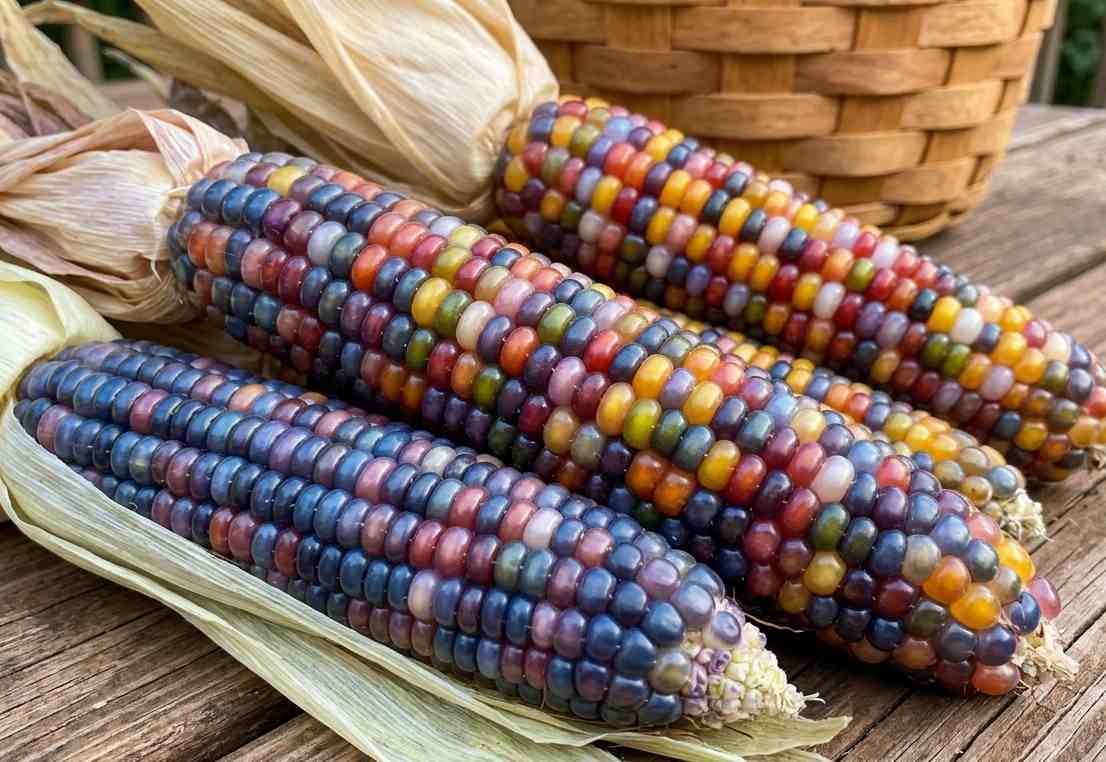
Glass Gem Corn: 20 Benefits, Side Effects & How to Eat It

Glass Gem Corn

Glass Gem Corn, also known as rainbow corn, Indian corn, or calico corn, is one of the most visually striking varieties of corn, with kernels that can look like tiny pieces of glass, beads, or gemstones. Its naturally occurring colors may range from blue, purple, red, pink, orange, yellow, white, and multicolored combinations. Despite its … Read more

Red Corn: Nutrition, 20 Benefits, Side Effects & How to Eat It

Red Corn

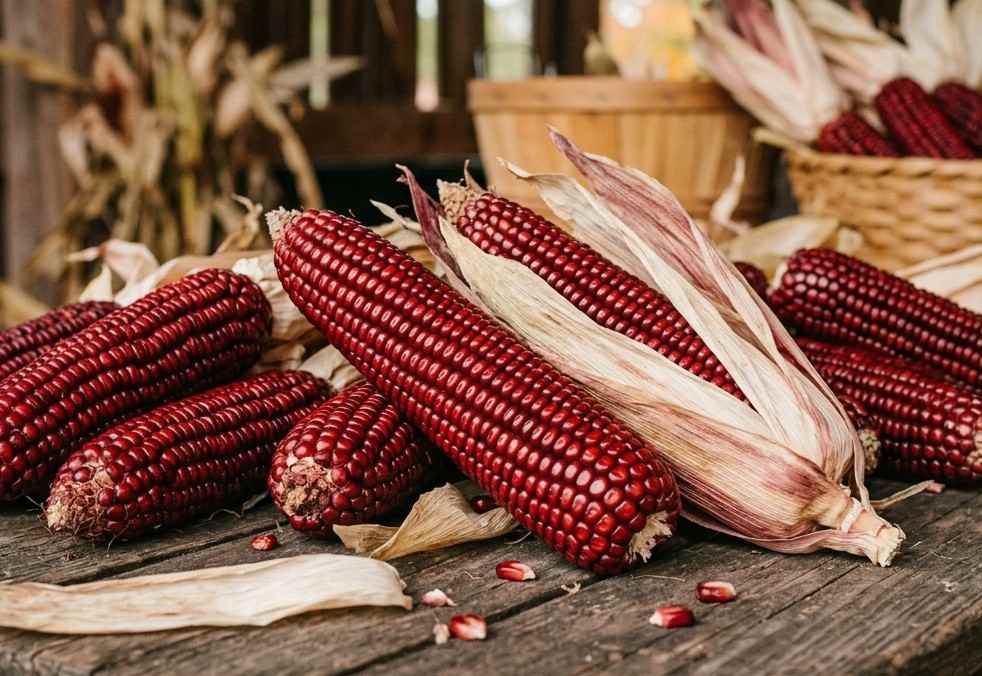
Red corn, also known as red maize, is a colorful variety of maize that has attracted attention because of its distinctive red kernels and naturally occurring plant compounds. Unlike ordinary yellow or white corn, red corn contains pigments such as anthocyanins and other phenolic compounds that contribute to its color and antioxidant activity. It can … Read more

Black Corn: Nutrition, 20 Benefits, Side Effects & How to Eat It

Black Corn

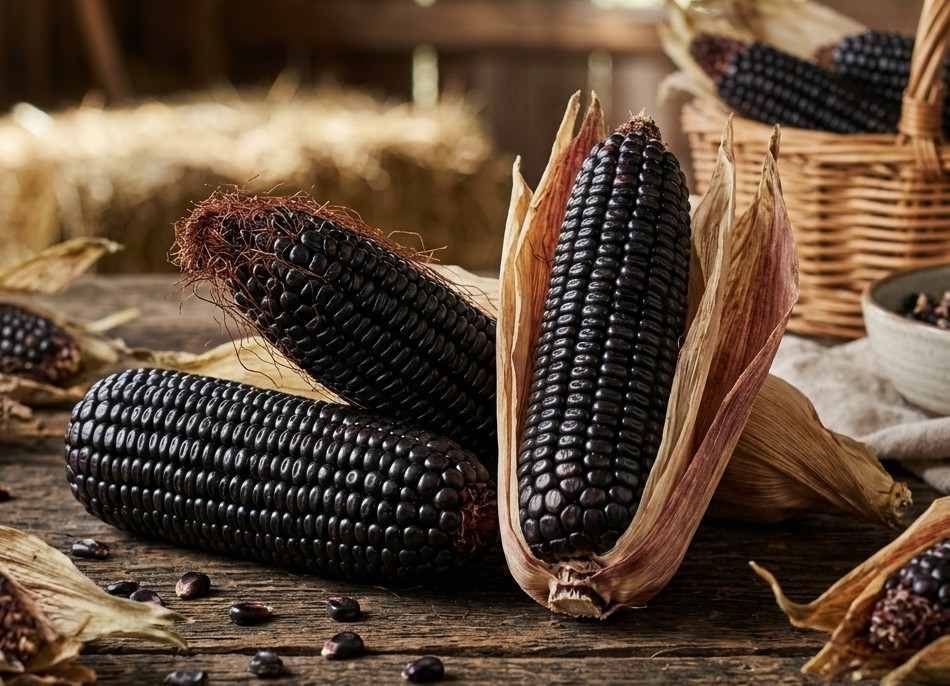
Black corn (also known as purple corn, or black maize) is an eye-catching variety of corn known for its deep purple-to-black kernels and slightly sweet, earthy flavor. Unlike ordinary yellow corn, black corn contains naturally occurring pigments called anthocyanins, which are also found in foods such as purple cabbage, blueberries, and black rice. These plant … Read more

Garden Cress: Nutrition, 20 Benefits, Uses, Side Effects & How to Eat It

Garden cress

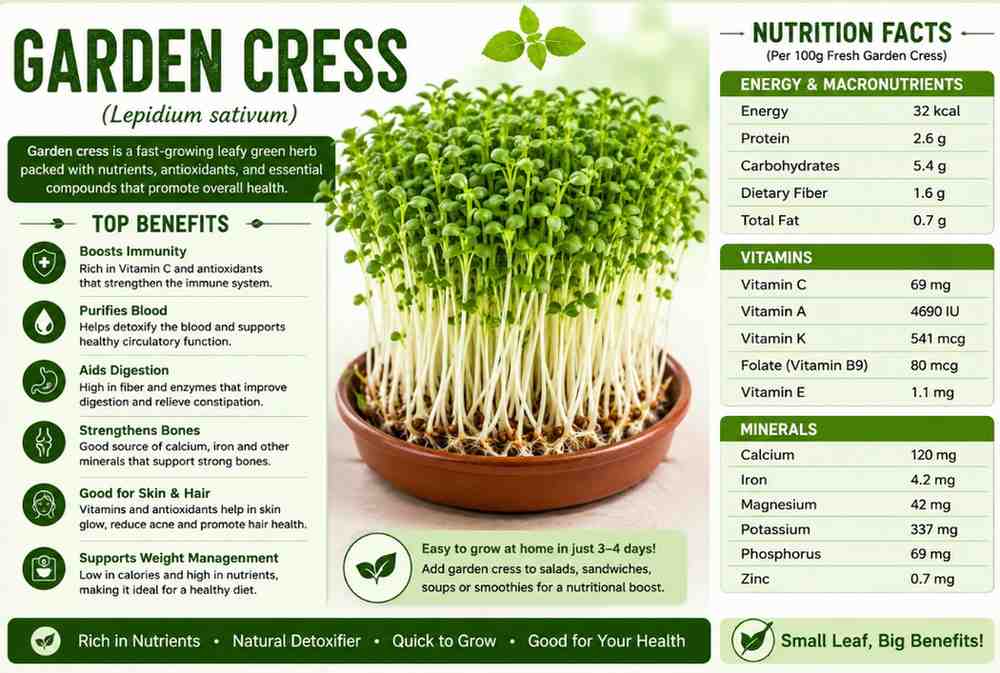
Garden cress is a small but remarkably nutrient-dense herb that has been used as both food and traditional medicine for centuries. Its tiny seeds are particularly popular in India, where they are known as halim, aliv, or chandrasur. The plant is scientifically known as Lepidium sativum and belongs to the Brassicaceae family, the same botanical … Read more

Snow Peas: Nutrition, 20 Benefits, Side Effects & How to Eat It

Snow Peas

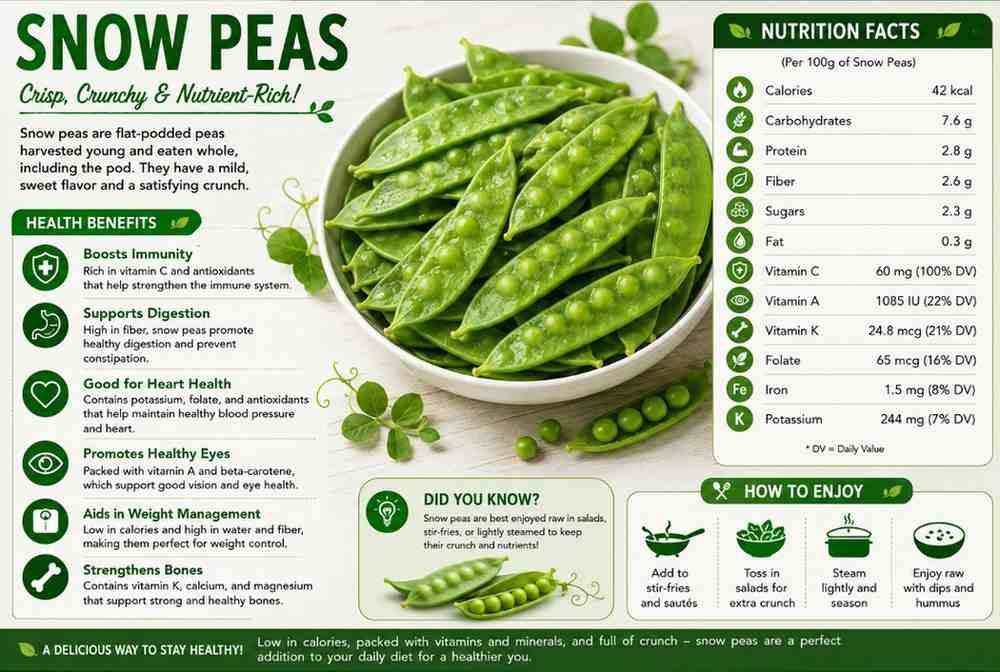
Snow peas are one of those vegetables that can make a simple meal feel fresher without requiring much preparation. Their thin, flat pods are crisp, mildly sweet, and completely edible, which means you can enjoy both the pod and the tiny peas inside. In this guide, we will look at what snow peas are, their … Read more

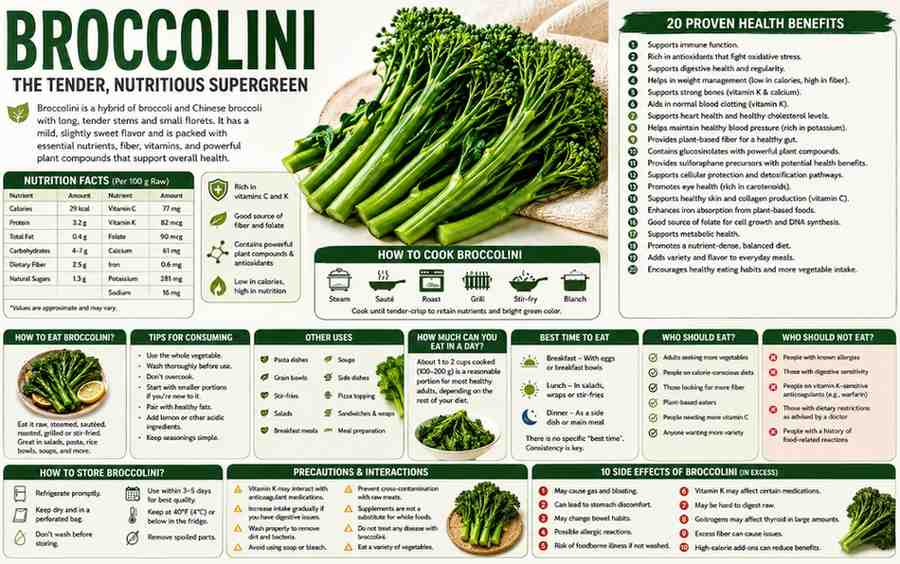
Broccolini: Nutrition, 20 Benefits, Side Effects & How to Eat It

Broccolini

Broccolini is one of those vegetables that can easily be overlooked at the grocery store. It looks a little like baby broccoli, has long tender stems, and comes with small green florets. But there is more to this vegetable than its appearance. With a mild, slightly sweet and earthy flavor, broccolini is easy to add … Read more

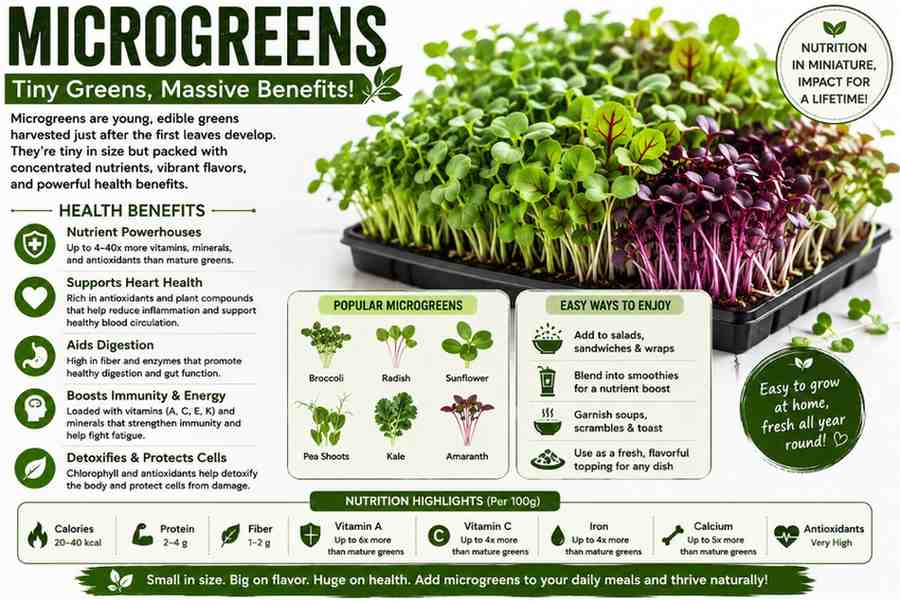
Microgreens: Nutrition, 20 Benefits, Side Effects & How to Eat

Microgreens

Microgreens have become one of the most popular superfoods among health-conscious individuals, chefs, and nutrition enthusiasts. Although they are tiny in size, these young vegetable greens are packed with vitamins, minerals, antioxidants, and plant compounds that may support overall health. Their vibrant colors, fresh flavor, and impressive nutritional value make them an excellent addition to … Read more

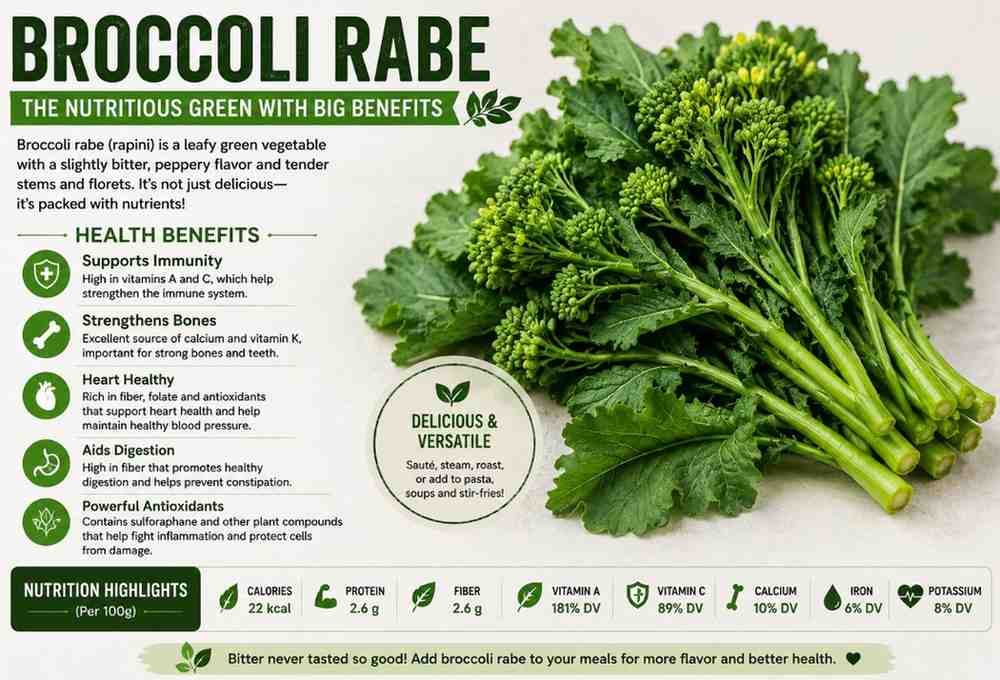
Broccoli Rabe: Nutrition, 20 Benefits, Side Effects & How to Eat It

Broccoli Rabe

Broccoli rabe is a nutrient-dense green vegetable that has been enjoyed in Mediterranean cuisine for centuries. Despite its name, broccoli rabe is not the same as broccoli. It belongs to the turnip family and is known for its leafy greens, tender stems, and small florets with a pleasantly bitter flavor. Rich in vitamins, minerals, antioxidants, … Read more